Every few days in the shop, I’ll speak to someone who loves riding their bike, but is held back by pain in their wrists, thumbs, or palms. Sometimes they feel like they are supporting too much of their body weight on their palms, or that riding their bike puts their hands in an uncomfortable position. New cyclists especially can find their wrists hurting because they are still building the core muscles that support the upper body when riding a bike.
If any of these ring true for you, don’t worry, you’re not alone! Let’s take a look at a few of the ways we can make your bike more comfortable to ride. We’ll mostly be looking at options for flat bar bikes, but a lot of what we talk about will apply to drop bar riders too.
Easy Fixes
Saddle Adjustments
When a customer comes into the shop with pain in their hands or wrists, the first place I’ll look is the angle (or pitch) of their saddle. If the nose is pitched too far up, the pressure on the saddle will be uncomfortable. But if it’s too far down, it can feel like you are sliding forwards off the saddle, leading you to support more weight on your hands and wrists. If this is true for you, reducing wrist strain might be as simple as a few minutes with a hex wrench.
Although less common on flat bar bikes, excess wrist pressure can also be caused by having the saddle too far forwards in the rails. Imagine drawing a line vertically through the bottom bracket of your bike; the mass behind the line rests on the saddle, and the mass in front of the line rests on the handlebars. Moving the saddle back just a little in the rails can help shift more of your weight back onto the saddle, and off your hand and wrists.
Stem Adjustments
Many people find that raising the height of their handlebars can take pressure away from their wrists. In some cases, this can be achieved using adjustability built into the stem. Unfortunately, while almost all stems have some degree of adjustability, most stems on new bikes are already set up in their highest position. On the off chance your bike isn’t, this can be an easy way to gain a little comfort.
How stem height is adjusted is different for different types of stem. On traditional quill stems, a bolt at the top of the stem can be loosened to allow the stem to move up and down. On newer threadless stems, spacers can be placed either below or above the stem, changing its height. Because it’s critical to have stems installed correctly and tightened to the right specifications, any stem adjustments should be performed by a mechanic.
Helpful Products
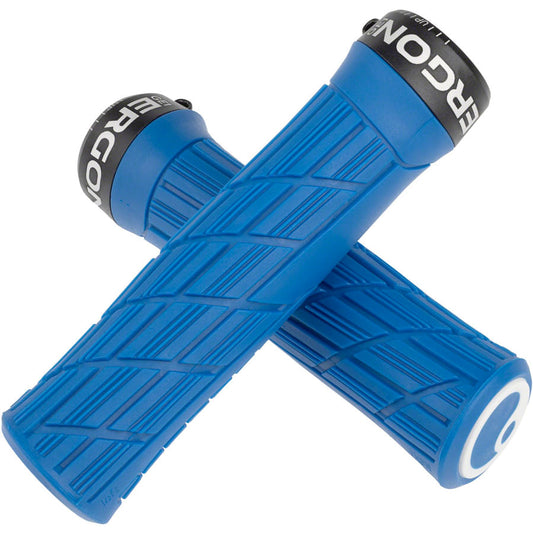
The right set of grips can make a world of difference for hand comfort. Two options in particular can be especially helpful in preventing hand pain: padded foam grips, and ergonomic grips.
Padded foam grips help soak up vibrations and chatter from the road surface, and are a favorite of bikepackers and long-distance riders. I use foam grips myself on one of my bikes with narrower tires, and the difference in ride quality is really noticeable.
Ergonomic grips provide a platform to support your wrist and even out pressure across your palm. These can be especially helpful for anyone who feels like their wrist is bent too far back when riding, as the ergonomic platform can help position your wrist in a more natural position. I’d recommend trying a few different angles to see what works best for you.
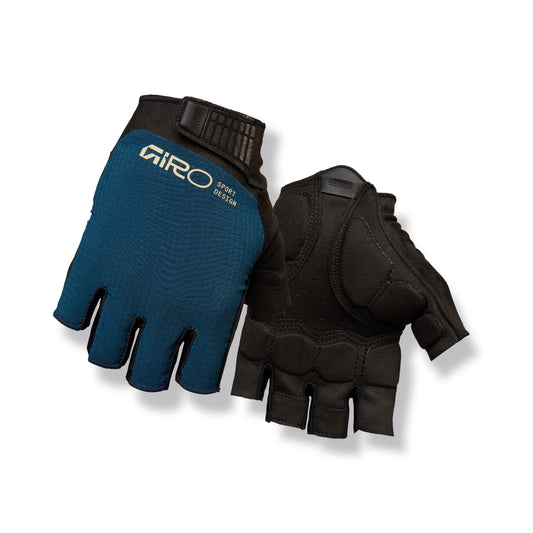
Cycling gloves do more than just protect your hands; careful padding placement helps spread pressure evenly across your hand, reduces vibrations from the road surface, and can prevent pinching nerves in your palm. For anyone who hasn’t ridden with gloves before, you might be surprised how much of a difference they make. Pro tip: try a few on in store, because you may be a different size in cycling gloves than you are in regular winter gloves.
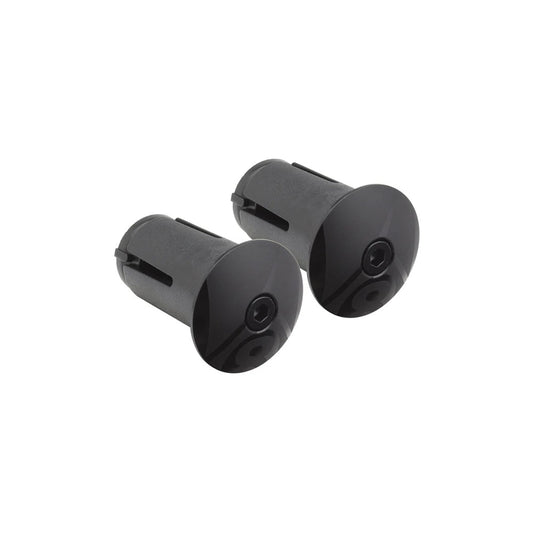
Bar ends are making a bit of a comeback, and for good reason. A well-placed bar end can offer an alternative hand position, something I’ve personally found helpful for reducing strain in the thumbs. On bikes with wider handlebars, you can even put the bar ends on the insides of the grips. Not only does this give you another hand position, but they can also help you tuck in when fighting a nasty headwind.
Major Adjustments
Sometimes, the best option to reduce wrist pain is to bring the handlebars higher, or swap the handlebars out for some bars that sweep back towards the rider. Major changes to the handlebars will often require a mechanic to install longer brake and shifter cables, and the process varies by bike. If this is something you are considering it’s worth bringing the bike into the store, and speaking with a mechanic.
Stems
Adjustable stems, which allow you to change the angle of the stem to whatever is most comfortable, and stem risers, which can add extra height to your current stem, are both great ways to add additional height to handlebars, without changing the handlebars themselves. If you like how your existing bars feel, but wish they were a little higher, this could be the right option for you.
Handlebars
Handlebars come in a variety of shapes and sizes. When looking to increase hand and wrist comfort, look at the rise and sweep of the handlebars. The rise indicates how much extra height the handlebar gives you, and sweep shows how much it bends back towards the rider. Swept back handlebars can be especially helpful in creating a more natural feeling wrist position. Finding the right balance can be difficult, so it’s worth visiting a store to work out what’s right for you.
Hopefully this has given you a few ideas to help prevent pain in your wrists and hands when you’re out riding your bike. It can take a bit of experimentation to find the perfect setup, but there are lots of options out there, and small changes can make a world of difference.
About The Author
Huw Adamson, Assistant Manager, ERIK'S Richfield
Huw is a year-round bike-only commuter, riding electric and analogue bikes. A recent transplant to Minneapolis from the UK, in his free time he enjoys exploring the network of trails across the Twin Cities.